
5 Tips to Keep Kids Warm at Night While Camping
Anyone who has spent much time camping knows the misery of a cold, sleepless night. Your bones ache, you check your watch twenty-five times waiting for sunrise, and you start the next day cranky, sore, and second-guessing your decision to spend another night in the great outdoors.
Throw a couple of kids into the mix, and you’ve reached a whole new level of potential disaster—one that can quickly sabotage your family’s enthusiasm for choosing a national park over a theme park on your next vacation.
But hold the phone, my friends.
A few simple tricks can help everyone get a good night’s sleep so you can unzip the tent the next morning feeling refreshed and ready for another adventure.
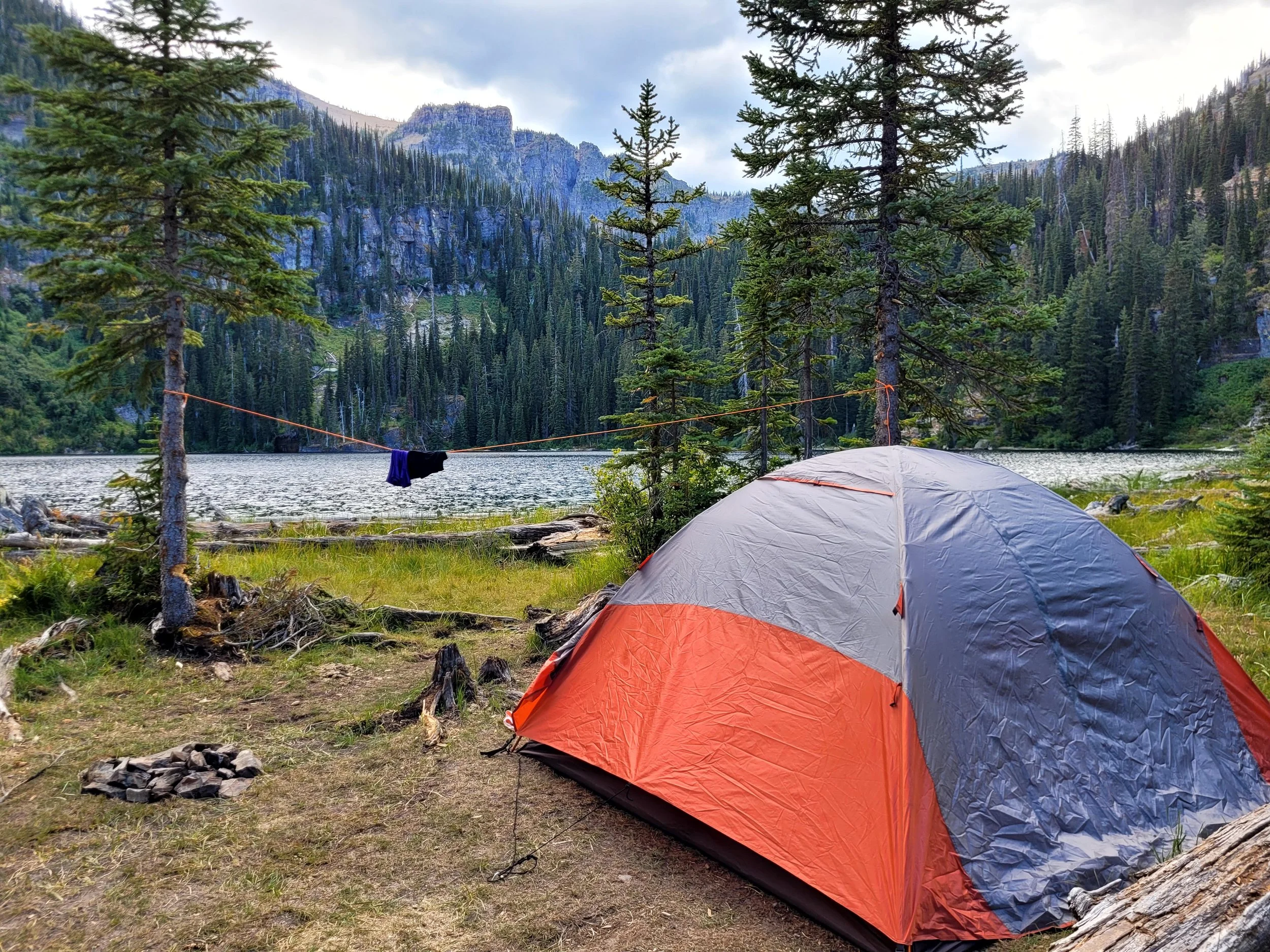
Backpacking in Montana’s Cabinet Mountains.
1. Use the Right Gear
This one seems obvious, but let’s camp here for a minute.
Not all sleeping bag temperature ratings mean the same thing, and the lowest number on the label may not represent the temperature at which your child will actually sleep comfortably. When possible, choose a bag rated well below the temperatures you expect.
If you can afford down instead of synthetic, it offers excellent warmth for its weight and packs down small. Just as important, make sure the sleeping bag fits your child. Putting a small child in an oversized adult bag leaves extra space their body has to warm.
Don’t forget what’s underneath them, either. The ground can pull heat away from the body quickly. Closed-cell foam pads are an inexpensive option, while inflatable sleeping pads with a good R-value generally offer more insulation and comfort while packing smaller.
Bottom line: a warm sleeping bag is only half the equation. You also need insulation between your child and the cold ground.
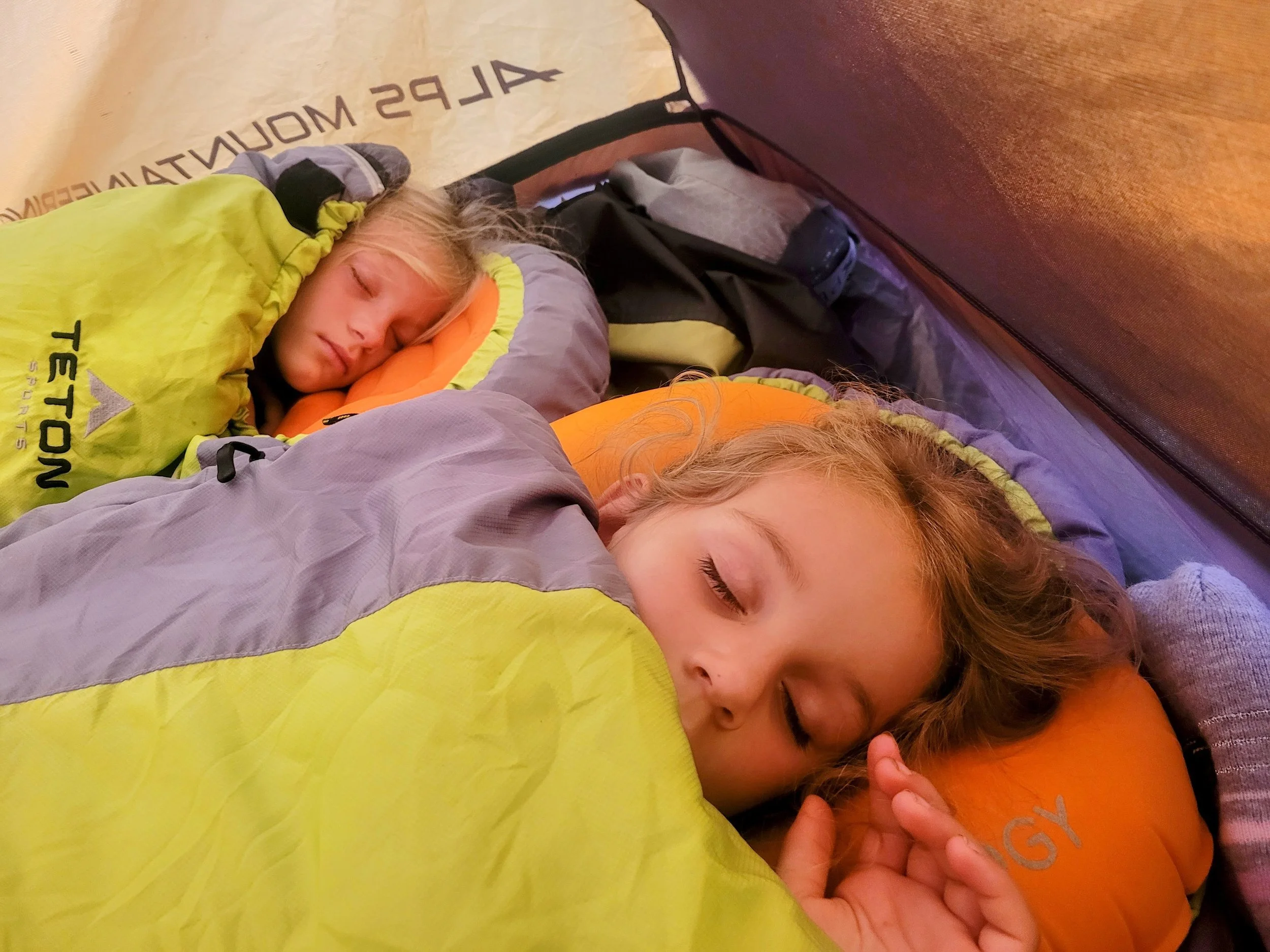
Snug and warm at morning light.
2. Wear the Right Gear
A warm hat can make a big difference, especially since your child’s head may be one of the few parts of their body outside the sleeping bag.
Dress your child in layers, starting with thermal underwear and adding a fleece or similar insulating layer. Avoid cotton when temperatures are cold. Cotton absorbs moisture and loses much of its insulating ability when wet.
A lightweight puffy jacket can add another layer of insulation when needed. Finally, make sure your child has dry, warm socks—preferably merino wool or a wool blend.
The key word here is dry. Clothes that became damp from hiking, sweating, rain, or playing around camp should be swapped for dry sleeping clothes before bed.
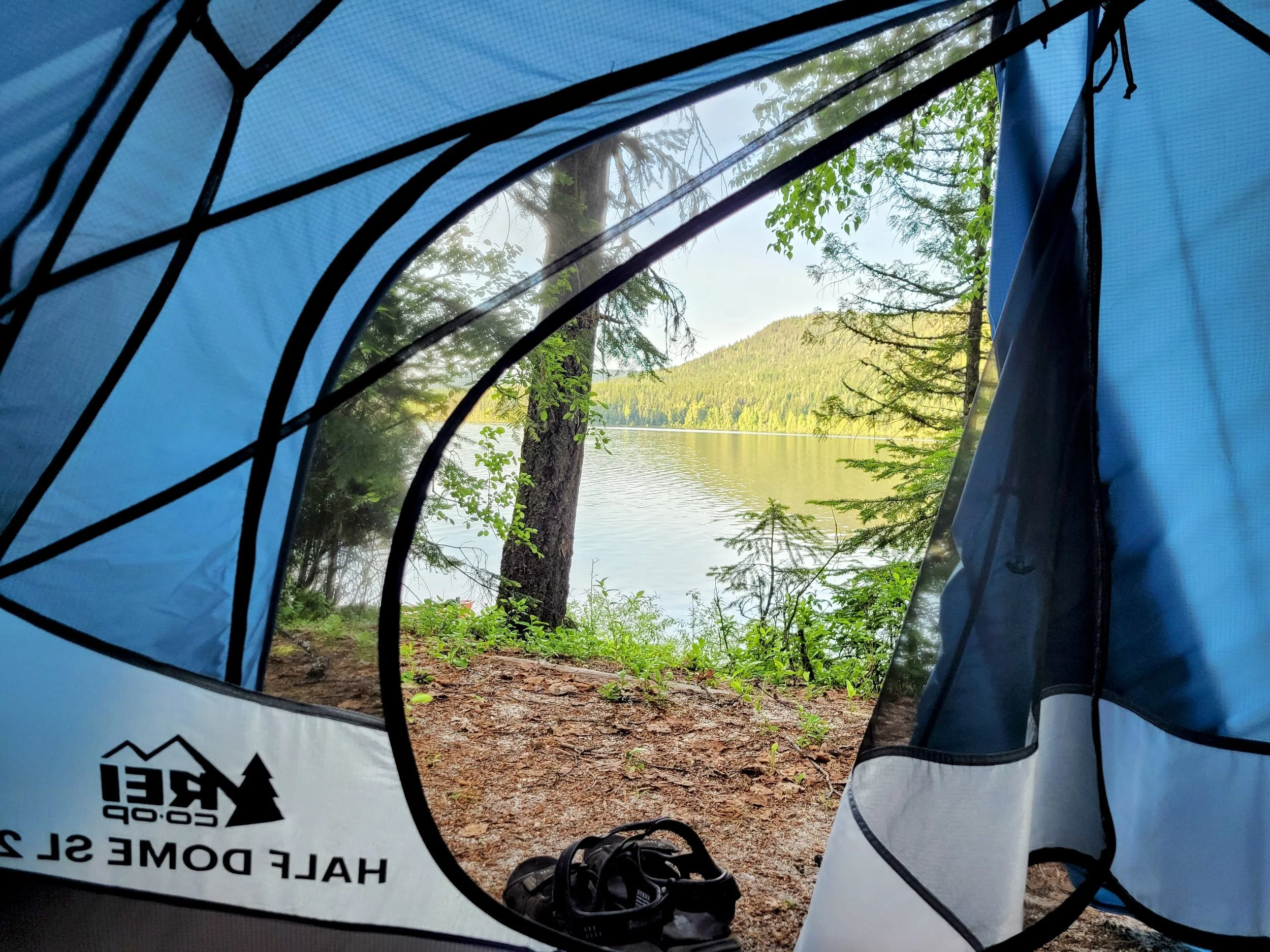
Waking up to a lake view in northern Idaho.
3. Give Them a Snack Before Bed
Shortly before bedtime, give your child a calorie-dense snack. Their body will continue producing heat as it digests and metabolizes the food.
Depending on where you’re camping, just make sure your little adventurers don’t take food into the tent with them.
Because, well...
Bears.
Follow the food-storage rules for the area where you’re camping and keep snacks properly secured away from your sleeping area. Otherwise you might run the risk of bigger problems than goosebumps. 🐻
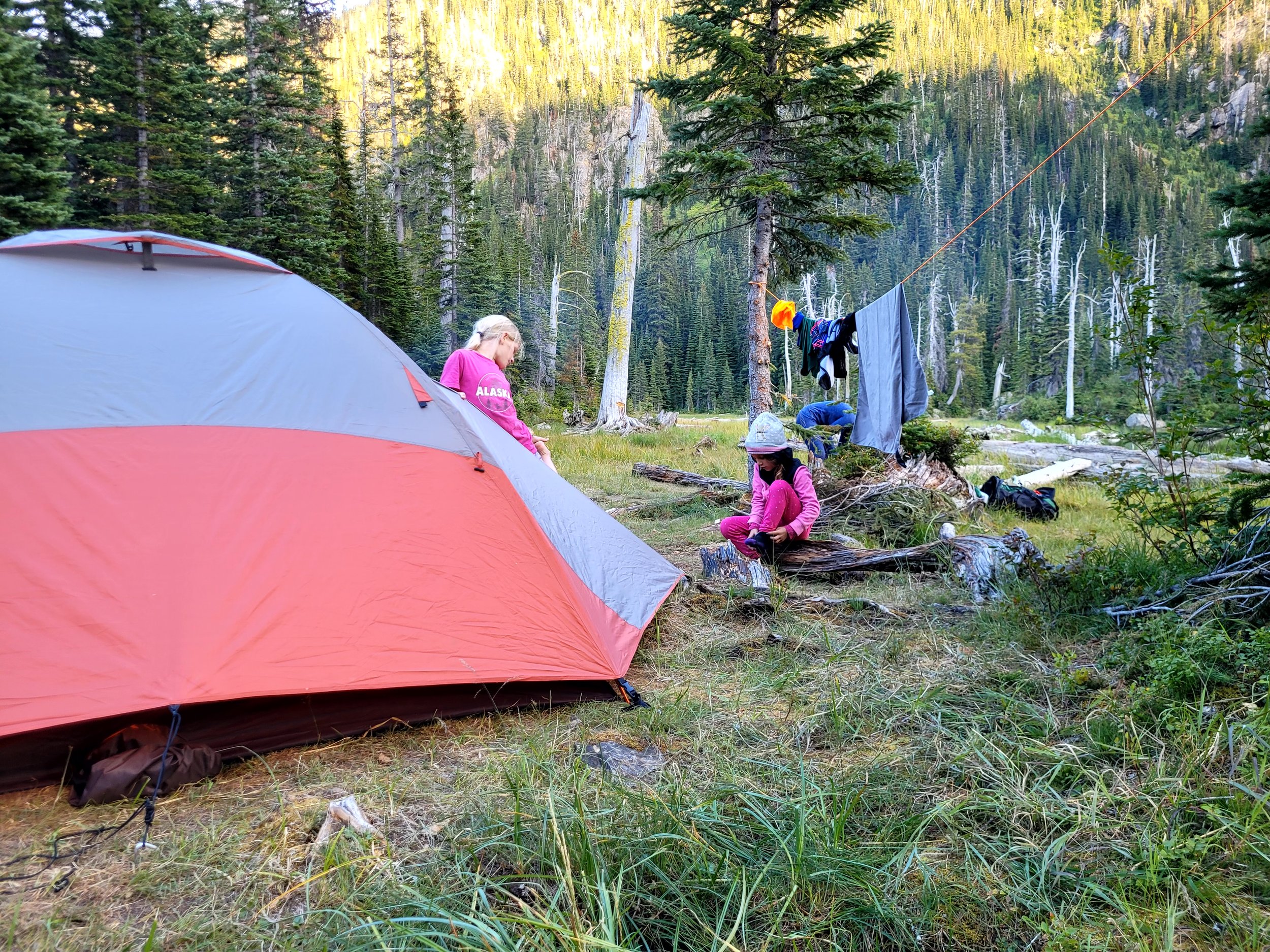
Adding layers in Wyoming as the sun goes down.
4. Let ’Em Sleep in the Middle
When our kids were much smaller, we visited Yellowstone National Park in September. Unfortunately, the weather turned just as we arrived, and nighttime temperatures dropped into the low twenties.
We spent one very frigid night in our budget family tent, but thankfully the kids stayed warm because we placed them between us, where they could benefit from our body heat.
Kids can handle some discomfort—and I would argue that learning to do so is good for them—but you don’t want them to be miserable.
You might not sleep quite as well with elbows and knees finding your back at 2 a.m., but you’re the adult.
You can handle it.
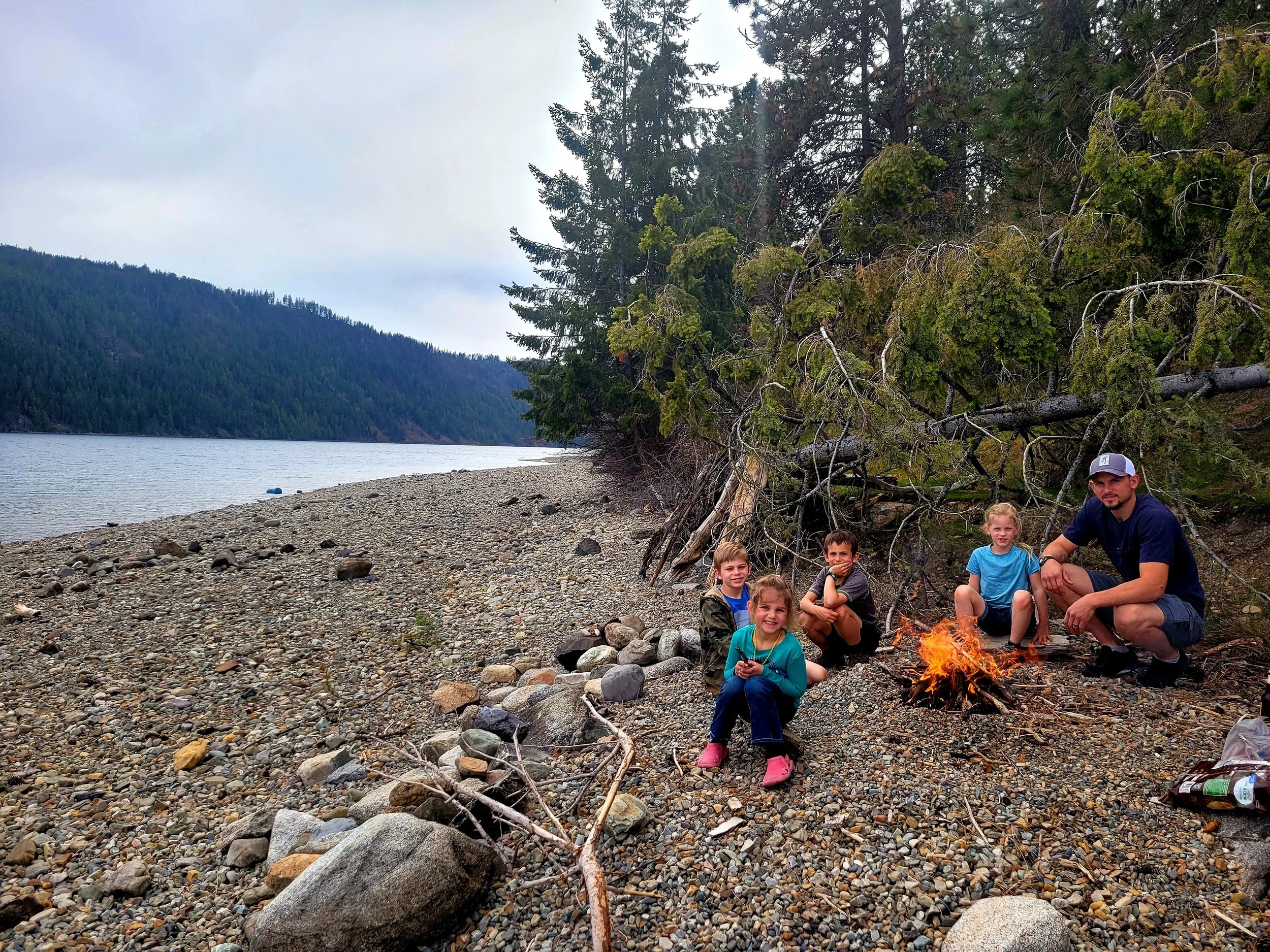
Campfire sausages are a favorite evening treat.
5. Hand Warmers Can Be Your Friend
Disposable hand warmers can be incredibly helpful on especially chilly nights.
We’ve used Little Hotties and similar hand warmers to add a little extra warmth when temperatures drop. Shake up a couple packs, stick them into your child’s jacket (not against their skin, but between layers), and zip that puppy up. The hand warmers will radiate heat for hours, keeping the body’s main organs warm. By focusing on warming the core, the extremities (arms and legs) will also stay warm. When backpacking, hand warmers do add a little extra weight to your pack, but in our experience, they can be worth carrying when you know the nights are going to be nippy.
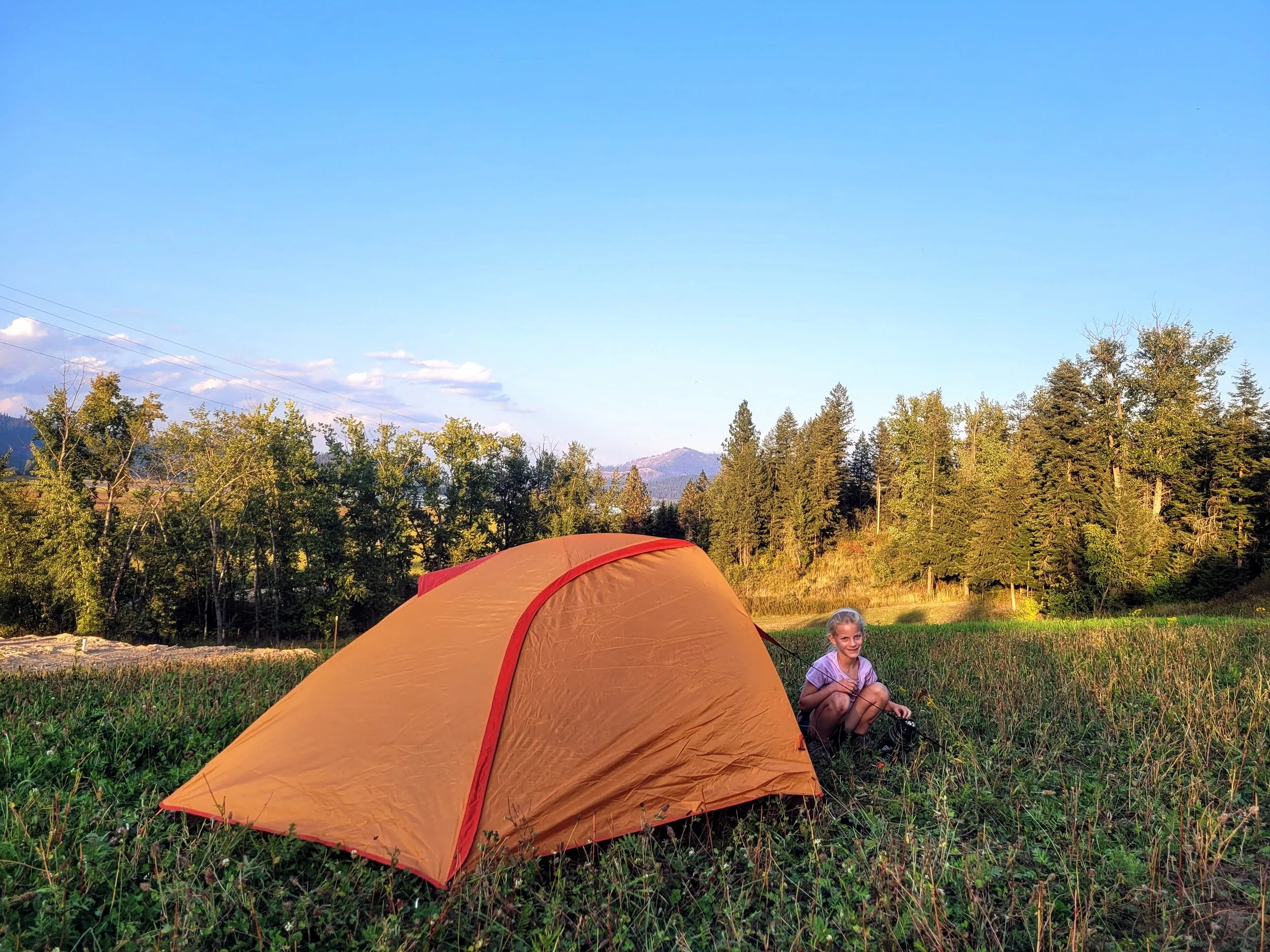
Restful nights = happy campers!
Warm Kids Make for Happier Adventures
Hopefully these tips help as you prepare for your next—or perhaps your first!—family adventure in the great outdoors.
Keeping kids warm doesn’t have to be complicated. The right sleeping system, dry layers, a bedtime snack, a strategic sleeping arrangement, and a little backup warmth can make the difference between a miserable night and a memorable one.
And when everyone wakes up warm, rested, and ready to explore, you have a much better chance of hearing the words every outdoor parent loves:
“When can we go camping again?”